Story
14 July 2025
Maratha Military Landscapes of India Inscribed on World Heritage List
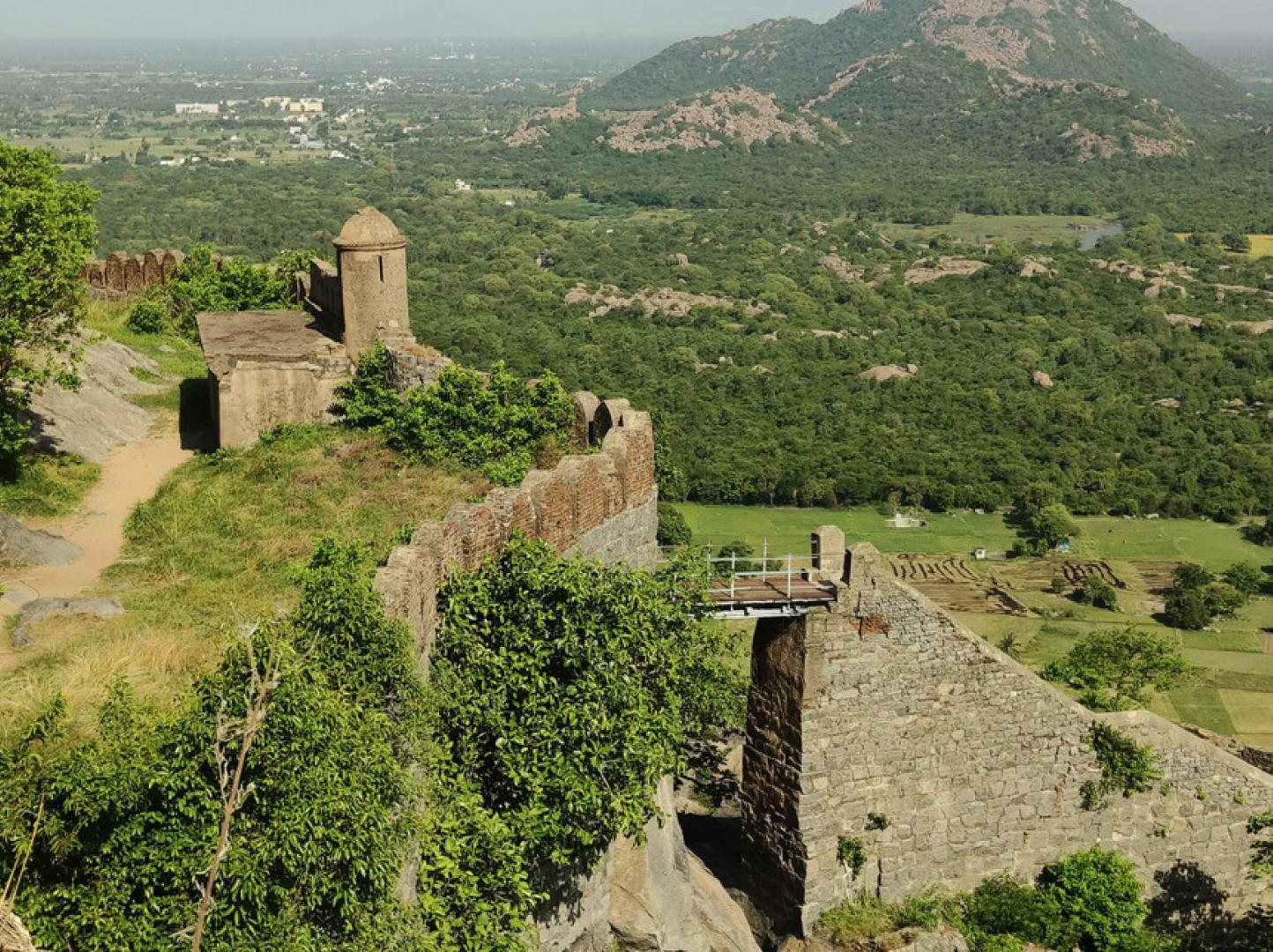
At the 47th Session of the World Heritage Committee in Paris, India’s official nomination — Maratha Military Landscapes of India — was inscribed on the UNESCO World Heritage List, becoming the country’s 44th property to receive this global distinction.The inscribed property includes twelve major fortifications, mostly in Maharashtra State, with one in Tamil Nadu. These forts were built, adapted, or expanded by the Marathas between the late 17th and early 19th centuries. Strategically located on India’s coastal and mountainous terrain, they formed a complex defence system supporting Maratha military dominance, trade protection, and territorial control. It played a key role in the Marathas’ rise as a major political and military force. This network of forts is a result of integrating the landscape, terrain, and physiographic characteristics, particularly distinctive to the Sahyadri mountain ranges, the Konkan coast, Deccan Plateau and the Eastern Ghats in the Indian peninsula.Last year, the Moidams of Charaideo in Assam were inscribed on the World Heritage List. The World Heritage CommitteeThe World Heritage Committee meets once a year, and consists of representatives from 21 of the States Parties to the Convention elected by their General Assembly. At its first session, the Committee adopted its Rules of Procedure of the World Heritage Committee.The Committee is responsible for the implementation of the World Heritage Convention, defines the use of the World Heritage Fund and allocates financial assistance upon requests from States Parties. It has the final say on whether a property is inscribed on the World Heritage List. It examines reports on the state of conservation of inscribed properties and asks States Parties to take action when properties are not being properly managed. It also decides on the inscription or deletion of properties on the List of World Heritage in Danger.