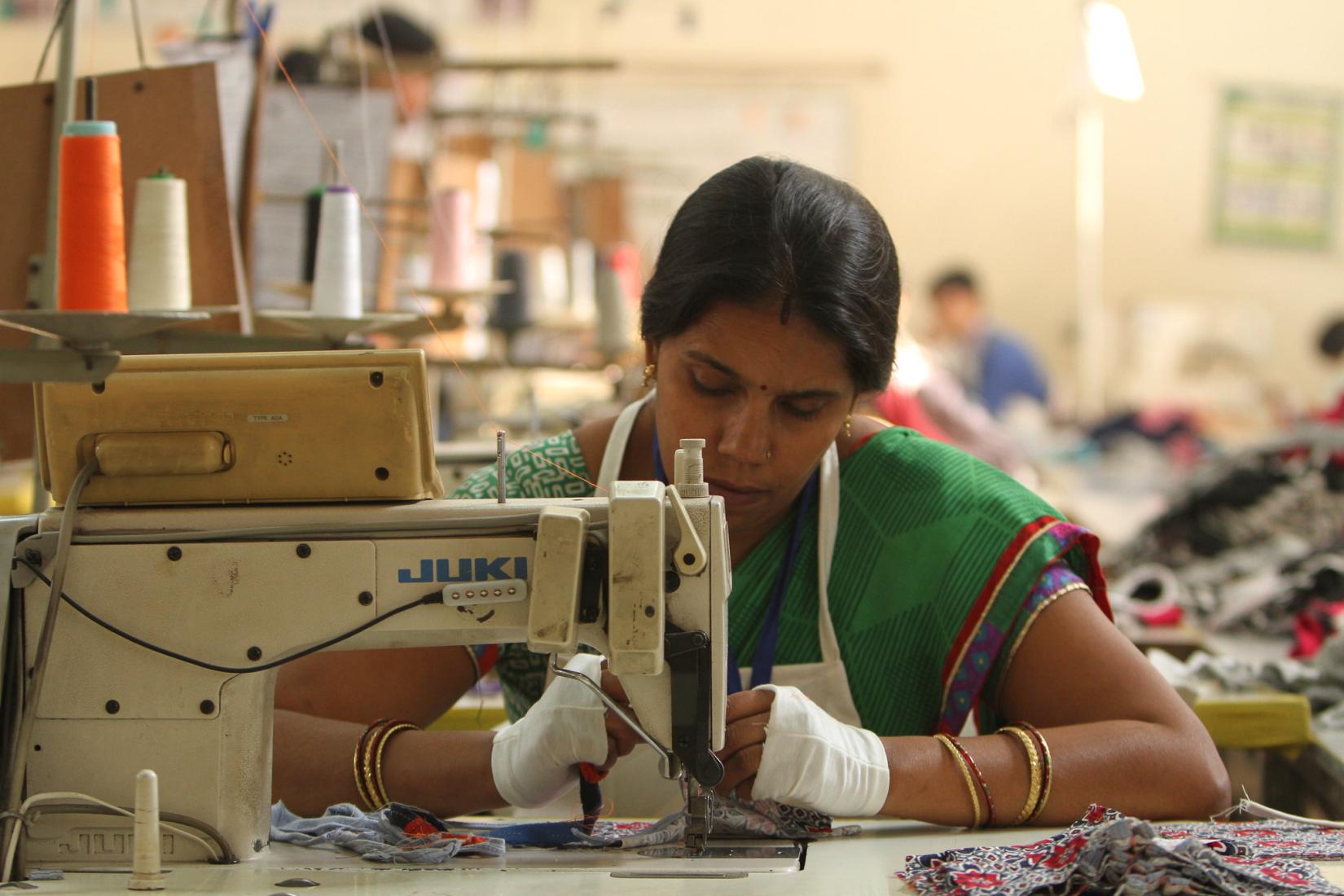
Economic growth and decent work



By 2027, a strengthened and more coordinated, inclusive and accountable governance system is in place at the national and local levels enabling all people, especially the most marginalized and vulnerable, to be protected, empowered, engaged and enjoy human rights and social justice, and lead their lives with respect and dignity.
Outcome 4 is embedded in the “Prosperity” pillar of the UNSDCF, which aims at contributing to ensure that the working population in India continues to benefit from and contribute to inclusive growth. The UN works with the Government, employers, worker’s organizations, businesses, youth platforms and civil society organizations to promote decent work for all women and men.
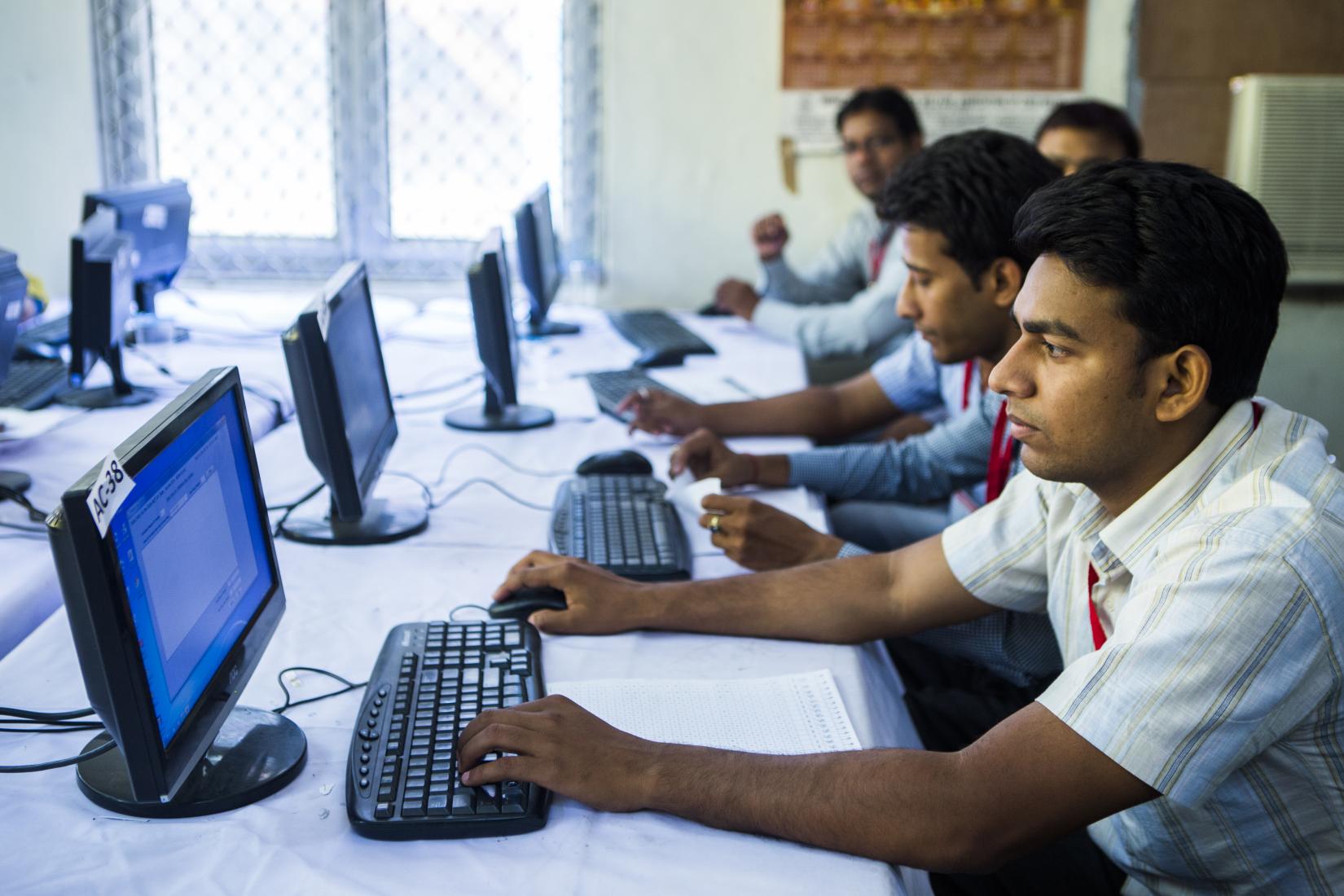
The UN supports the empowerment of young people by connecting them with job opportunities and 21st-century skills to harness the potential of India’s demographic dividend. To support entrepreneurship, particularly for women, the UN provides training and support across India with private sector partners. The UN system focuses on micro, small, and medium enterprises (MSMEs), helping small businesses increase productivity and meet international environmental, labour and health standards.
Challenge
Raising the female labour force participation rate
- Tapping the demographic dividend
- Ensuring enterprise development and linkage between demand and supply, access to equitable skilling, entrepreneurship opportunities and employment services
- Raising productivity, competitiveness and green growth
- Promoting decent work opportunities for women and youth, especially in the rural areas
- Implementation of labour regulations, high level of informality in the job sector, lack of adequate social protection for the migrant workers
- Consolidating Multiple data platforms; coordination and convergence for evidence-based planning and policy
The UN system’s contribution to Outcome 4 focuses on ensuring that:
All employable persons have equitable opportunities to enhance skills and access to decent work and livelihoods through lifelong learning, entrepreneurship opportunities, social protection and equality at work,
All enterprises, particularly MSMEs, cooperatives and self-help groups, have access to appropriate business development services and innovations to enhance their productivity and working conditions, along with inclusive growth for sustainable and resilient value chains, and are able to attract private investment to accelerate income generation, create quality jobs and livelihoods and
Policies, institutions and an enabling environment are in place to catalyse innovation, digitalization and job-rich, low-carbon economic growth to foster broad-based socio-economic development.
UN development support and partnerships to achieve Outcome 4
The UN system advocates for decent work, job creation, volunteering opportunities, social protection, rights at work and social dialogue. Macroeconomic coordination and enabling a policy environment for businesses to grow, sustainable enterprise development, promoting employability, decent working conditions including wages and Occupational Safety and Health (OSH), are advocated as essential enablers. The UN champions protection against discrimination, violence and harassment, promoting better sharing of care responsibilities, promoting labour standards and socio-economic opportunities from digitalization and a just transition to an environmentally sustainable economy.
Outcome 4 contributes to India's vision for a workforce empowered with twenty-first-century skills and aligned with industry demand, leveraging upon the promising start-up ecosystem of the country. It supports national policies and programmes such as Make in India, Skill India, Start Up India, National Rural Employment Guarantee Scheme, National Rural Livelihood Mission, National Urban Livelihood Mission, Digital India and Swachh Bharat Mission, in addition to financial inclusion, building a green economy and universalizing social protection.'

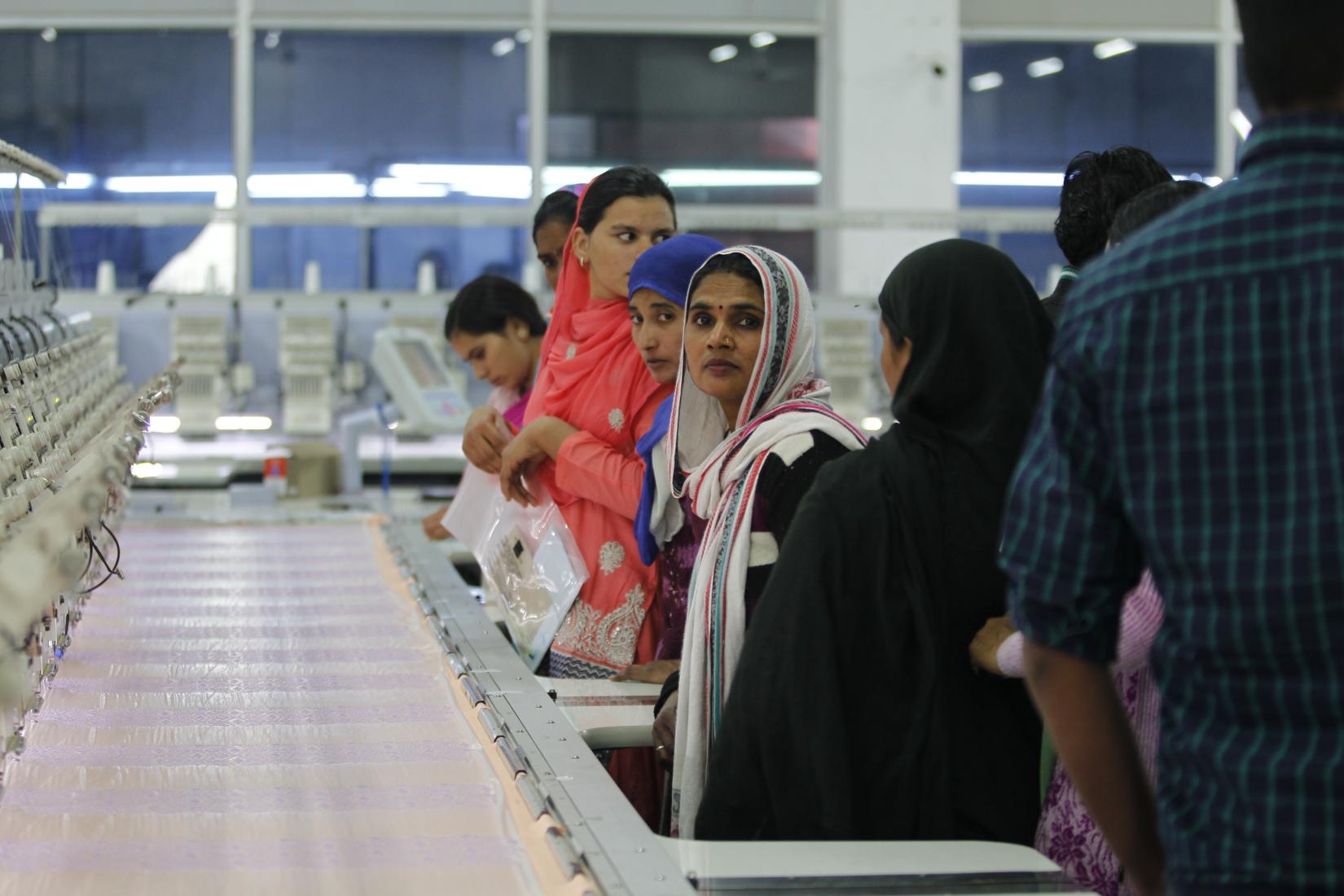
The UN system contributes to an enabling environment that enhances female labour force participation rate (LFPR) by supporting gender-mainstreamed policy measures and investments in the sector such as the care economy; advocating for better sharing of caring responsibilities between men and women; protection of rights of domestic workers, migrants and care sector workers; enhancing access of women to financial services and markets and building their social capital and role in decision-making.
The UN system contributes to the national priority for universal social protection coverage and access to social security by all. The efforts of the government for the creation of an E-shram database and linking the registered workers to the social security benefits will be strengthened. In addition, technical assistance will be provided for modernizing systems and bridging the digital divide for delivering social security benefits to all.
LNOB focus:
The UN system’s interventions focus on individuals belonging to vulnerable occupational groups (farmers, artisans, nano/micro-entrepreneurs, informal workers), including youth, women, tribal communities, workers living with HIV/AIDS, PwDs, sexual minorities, migrants and other minorities, refugees and asylum seekers and rural youth. It focuses on workers who remain outside of legal and social protection (for e.g., domestic workers, sanitation workers, home-based workers, childcare workers and Anganwadi workers).
Synergies with government schemes and programmes:
Make In India, Skill India, National Rural Employment Guarantee Scheme, National Career Service (NCS) portal, National Rural Livelihood Mission, National Urban Livelihood Mission, Digital India, E-shram, Startup India, Shram Suvidha, Pradhan Mantri Kaushal Vikas Yojana, Mission Antyodaya 2020, Atal Mission for Rejuvenation and Urban Transformation (AMRUT), Swachh Bharat Mission, social security schemes, Pradhan Mantri Awas Yojana and Smart Cities Mission
Related Content



- ILO: International Labour Organization
- UNIDO: United Nations Industrial Development Organization
- APCTT: Asian and Pacific Centre for Transfer of Technology
- ITU: International Telecommunication Union
- IOM: International Organization for Migration
- UNEP: United Nations Environment Programme
- IFAD: International Fund for Agricultural Development
- UNDP: United Nations Development Programme
- UNESCO: United Nations Educational, Scientific and Cultural Organization
- UNFPA: United Nations Population Fund
- UNHCR: United Nations High Commissioner for Refugees
- UNICEF: United Nations Children’s Fund
- UN Women: United Nations Entity for Gender Equality and the Empowerment of Women
- WFP: World Food Programme
Goals we are supporting through this initiative